

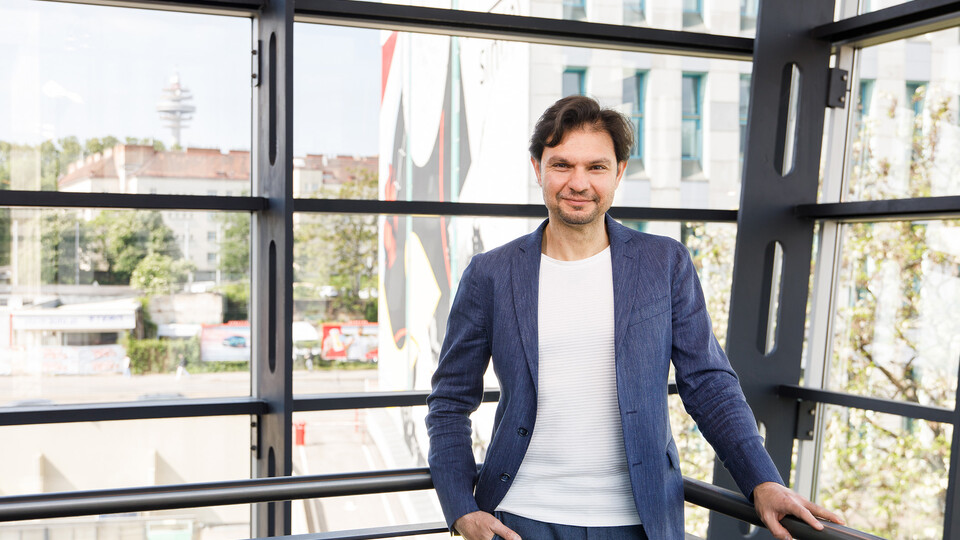
Erinc Hallacli and his team examine a critical question in Parkinson’s disease: how alpha-synuclein aggregates – one of the disease’s defining hallmarks – affect RNA processing in neurons. Building on his team’s foundational observation that alpha-synuclein interacts with components of the mRNA de-capping complex, the project aims to determine if and how aggregates of alpha-synuclein alter mRNA turnover by introducing in vitro–formed alpha-synuclein fibrils into dopaminergic and cortical neurons and measuring the resulting decay rates. “If we can elucidate how aggregated alpha-synuclein interferes with RNA metabolism, we may uncover an overlooked layer of neurodegenerative pathology,” says Erinc. Supported conceptually by Perutz PI Stefan Ameres, who provided guidance on SLAM-seq methodology, the project combines neuronal models with cutting-edge RNA decay measurements to illuminate previously unrecognized molecular consequences of alpha-synuclein aggregation on RNA metabolism.
The Herzfelder’sche Familienstiftung supports scientists conducting basic research in the field of biochemically oriented medical cell biology. Its funding focus lies on understanding how cells change and age, how cellular diseases and degeneration arise, and on identifying ways to influence these processes. Through calls administered by the Austrian Science Fund (FWF), the foundation aims to promote research that contributes to delaying cellular aging, preventing degeneration, and ultimately supporting a longer and healthier human lifespan.