

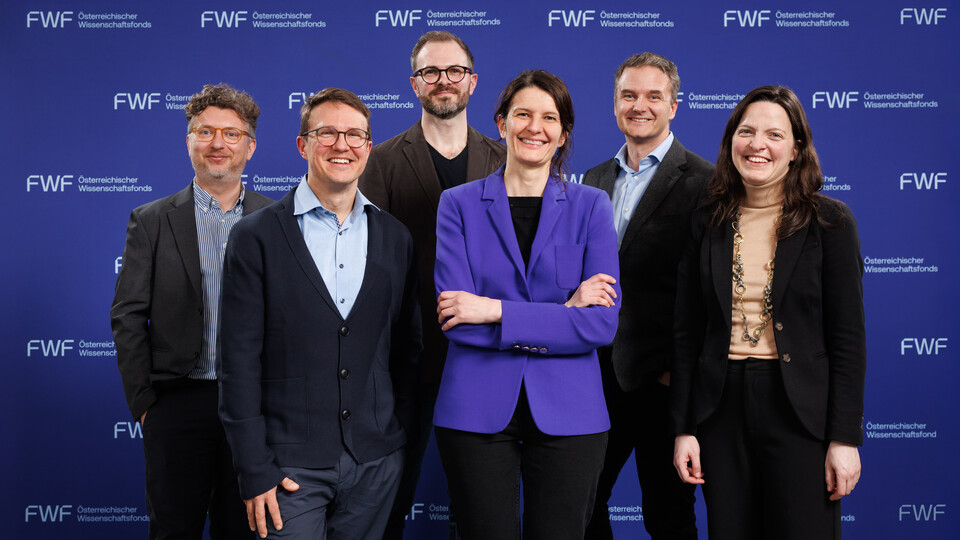
Although ribosomes – the molecular machines that translate RNA into proteins – were long considered simple cellular factories, growing evidence shows that they actively regulate which proteins are produced and when. Understanding how this regulation is altered in cancer could reveal entirely new vulnerabilities in tumor cells. Supported by the FWF Emerging Fields grant, a Vienna-based inter-institutional consortium will combine expertise in pediatric oncology, mechanistic cell biology, and structural biology to uncover how ribosome function is rewired in childhood cancers.
“Motivated by the emerging role of ribosomes as an underexplored layer of gene regulation in pediatric cancers, our diverse team brings together mechanistic biology and pediatric cancer research”, says coordinator Elif Karagöz. This combination, she explains, uniquely positions the team to decipher the ribosome code of childhood malignancies and translate these discoveries into innovative therapeutic strategies. Consortium members Sebastian Falk and Marco Hein, both group leaders at the Max Perutz Labs, add: “It is exciting to be part of a team that spans patient-derived models to molecular mechanisms, allowing us to crack the ribosome code and potentially identify new ways to target pediatric cancers.”
The FWF Emerging Fields program supports collaborative research teams that pursue bold, high-risk ideas in fundamental science with the potential to transform existing fields or open entirely new ones. The initiative encourages scientists to challenge established paradigms and explore unconventional approaches. By enabling pioneering research that deliberately embraces risk, the program aims to generate breakthrough insights capable of triggering paradigm shifts and disruptive innovations. Emerging Fields particularly promotes interdisciplinary and transdisciplinary collaborations that bring together diverse expertise to tackle complex scientific questions.
Members of the consortium:
Elif Karagöz (coordination, Max Perutz Labs, Medical University of Vienna)
Sebastian Falk (Max Perutz Labs, University of Vienna)
Marco Hein (Max Perutz Labs, Medical University of Vienna)
Florian Grebien (University of Veterinary Medicine Vienna, St. Anna Children’s Cancer Research Institute (CCRI), CeMM)
Davide Seruggia (St. Anna Children’s Cancer Research Institute (CCRI), CeMM)
Eleni Marina Tomazou (St. Anna Children’s Cancer Research Institute (CCRI), Medical University of Vienna)