On this page
Not Too Little, Not Too Much, Just Right.
Effective defense against infectious agents and tissue-damaging cues requires rapid activation of inflammatory responses, followed by the timely re-establishment of immune homeostasis once the microbial threats have been eliminated. Insufficient responses lead to infectious disease, whereas failures in homeostatic control result in tissue damage and impaired healing. Therefore, inflammatory responses must be strong, but also precisely regulated in magnitude and duration. Our research aims to understand molecular mechanisms that drive the precise balance between pro- and anti-inflammatory processes and how these processes are coordinated such that healthy immunity is maintained.
We investigate immune homeostasis and balanced immune responses in 3 areas:
1) mRNA decay. mRNA decay is fundamental for immune homeostasis and control of inflammation. We employ genome-wide approaches, systems biology and organismal models to reveal mechanisms defining the timely and selective removal of inflammation-associated mRNAs.
2) Transcription regulation by Mediator kinase. We investigate how Mediator kinase precisely adjusts transcriptional responses during inflammation using infection models, biochemistry, proteomics and genome-wide assays.
3) Cell signaling. We employ infection models to understand how cells and organisms integrate external and internal signaling events to launch efficient immune responses against pathogens.
Pavel Kovarik studied molecular biology and biochemistry at universities in Brno and Vienna. He received PhD in biochemistry from the University of Vienna in 1995. In 2003 he became associate professor at Max F. Perutz Laboratories, University of Vienna, where is was promoted to full Professor of Immunobiology in 2012. He has been director of the Vienna Biocenter PhD Program since 2022. He coordinated several national and European research projects.
The fidelity of immune responses depends on timely controlled and selective degradation of mRNAs coding for inflammatory mediators such as cytokines. It remained unclear whether the selection of an individual mRNA molecule for degradation is a stochastic or regulated process. By studying the hierarchy of mRNA decay, we revealed that the fate of a given mRNA molecule is decided already during its synthesis by binding of the RNA-destabilizing protein TTP to pre-mRNA in the cell nucleus (Bestehorn et al, Molecular Cell 2025).
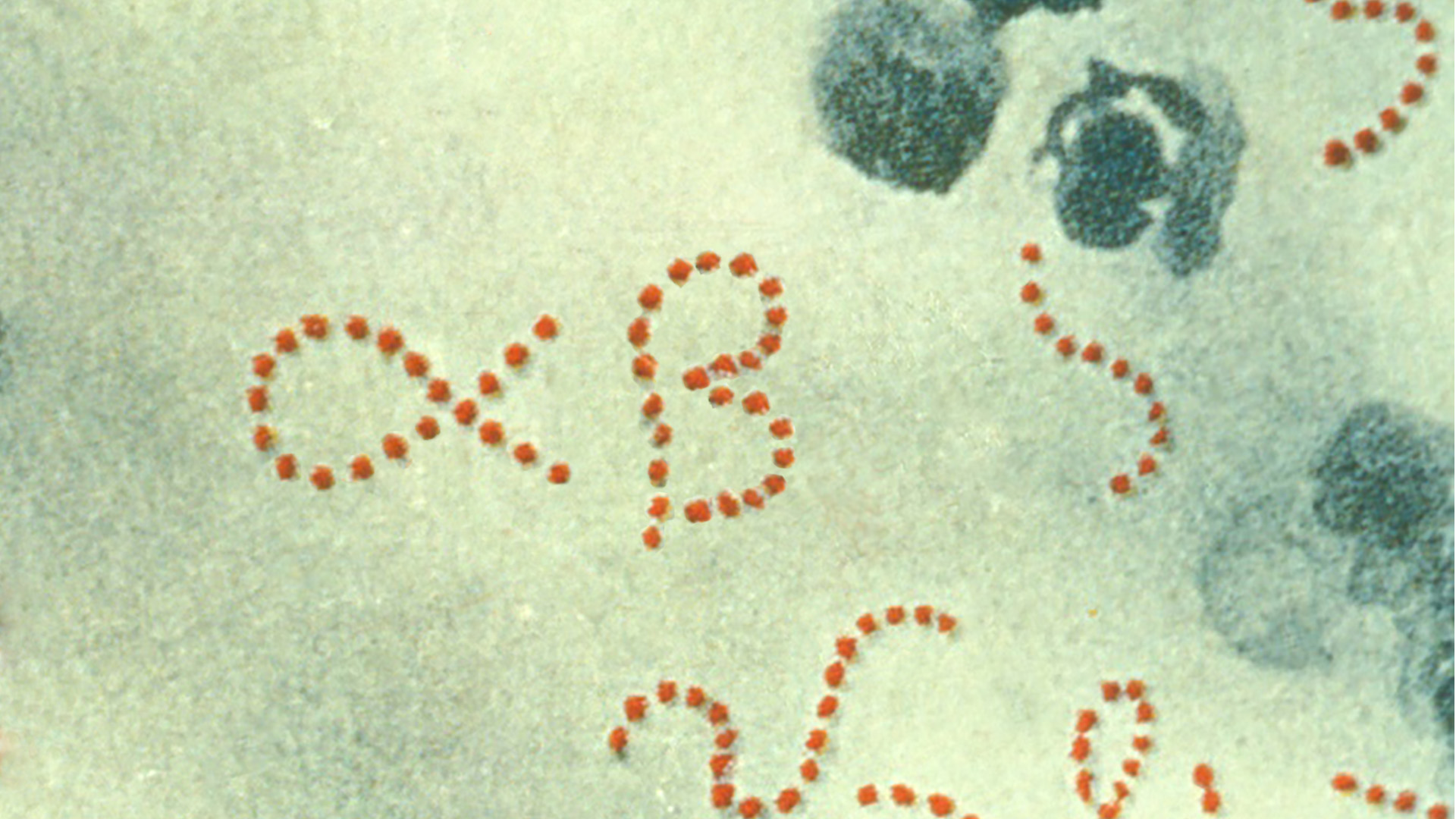
IL-1α and IL-1β are pro-inflammatory cytokines that use the same receptor and elicit same cellular responses. Why are both maintained in mammalian genomes? We were able to define essential and non-redundant functions of IL-1α and IL-1β in protection against bacterial infections: IL-1α drives pathways preventing tissue damage, hence tolerance, while IL-1β is essential for pathogen clearance, thus resistance. See our publication Eislmayr et al, Science Advances 2022.
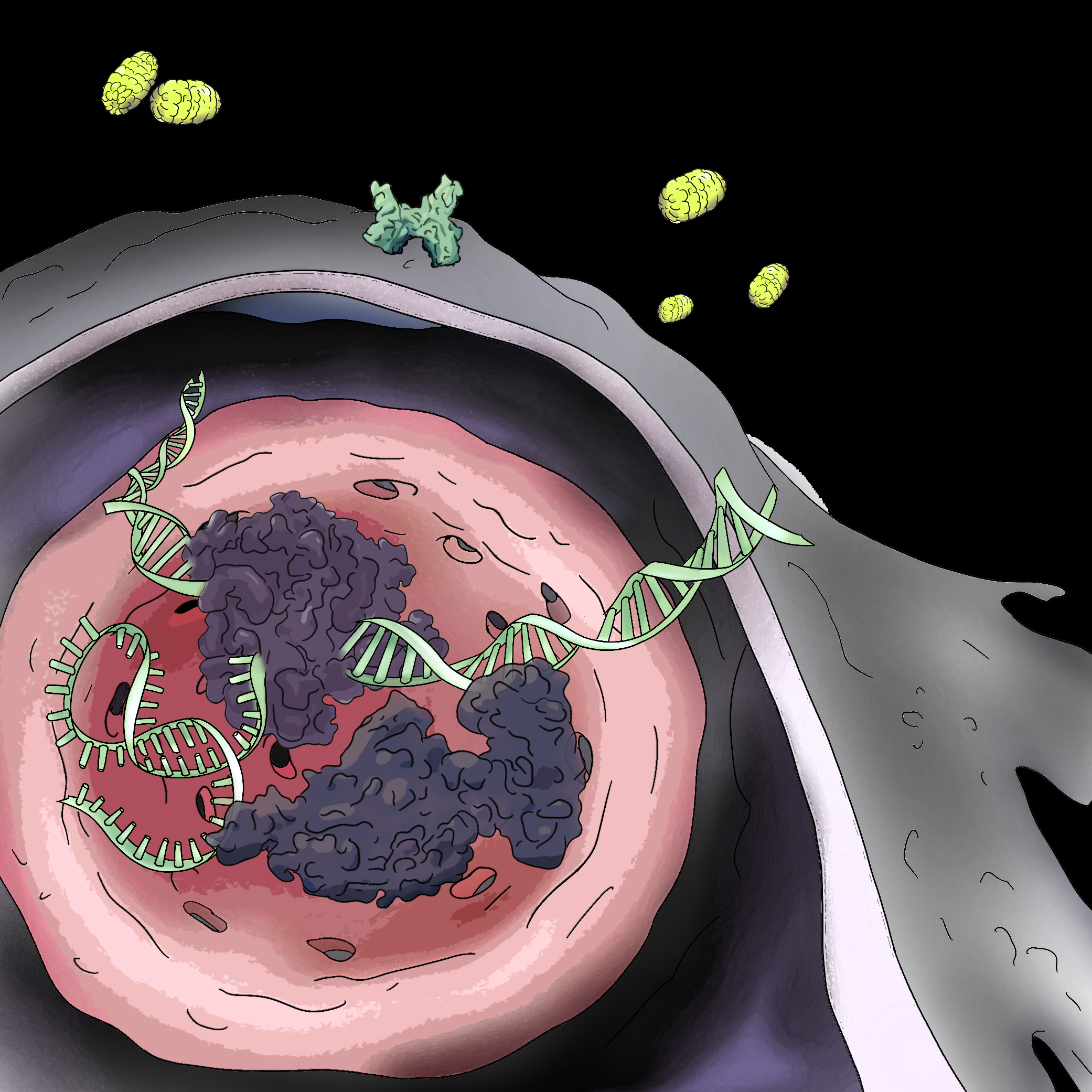
The Mediator kinase is an enigmatic transcription regulator. Our recent study showed that the Mediator kinase controls Pol II pause release (Steinparzer et al, Molecular Cell 2019). Moreover, the Mediator kinases CDK8 and CDK19 (originally thought to be functionally redundant) fulfil mechanistically distinct functions and activate different gene sets in the interferon-induced anti-viral response.
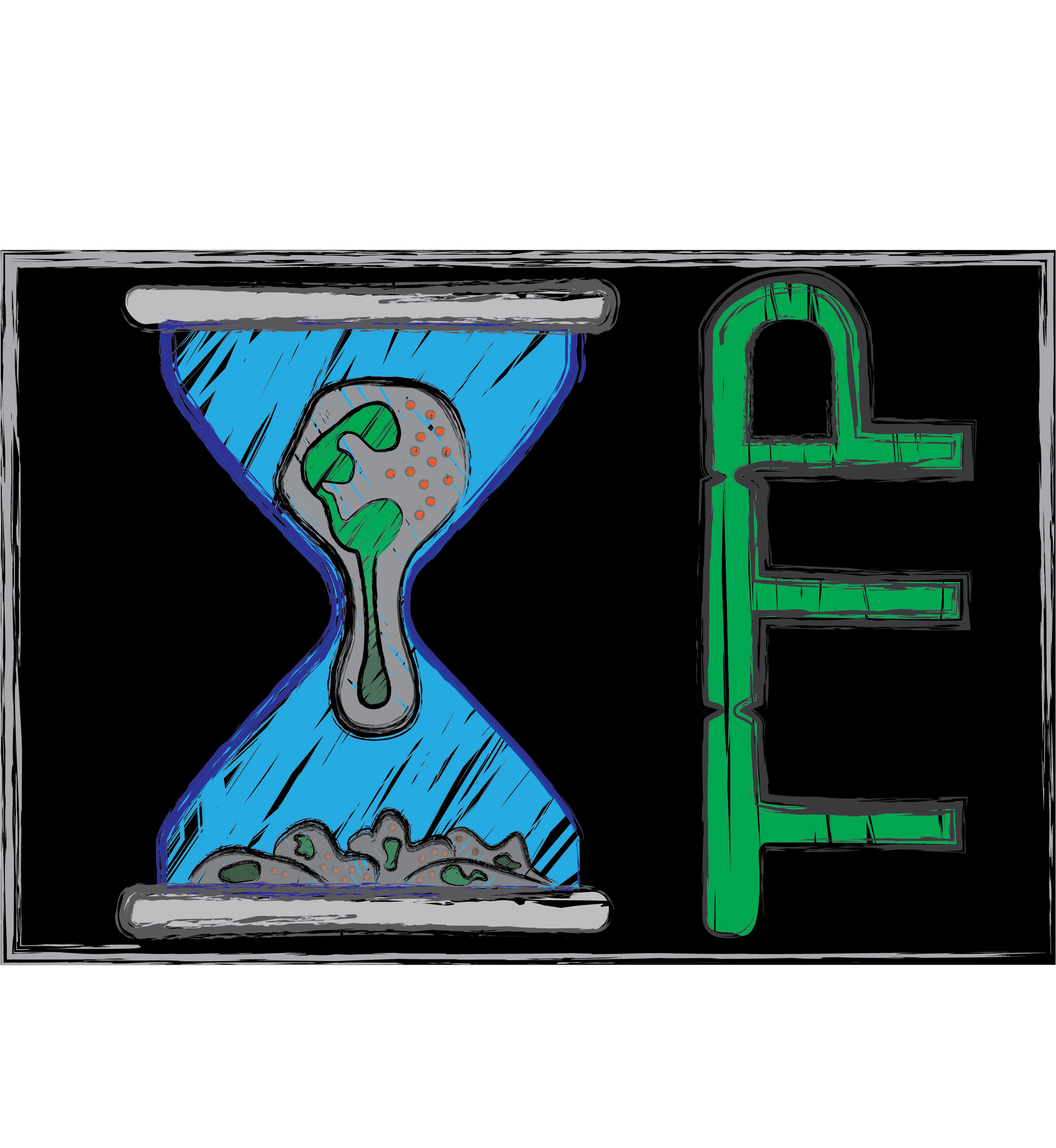
The lifespan of neutrophils co-determines the duration of immune responses. We showed that TTP-driven mRNA decay is a selective promoter of apoptosis of pathogen-engaged neutrophils: TTP subdues anti-apoptotic (Ebner et al., J Clin Invest 2017). Intriguingly, TTP deletion augments neutrophil response and blunts bacterial infection.
The mRNA-destabilizing protein TTP is a key factor in elimination of cytokine mRNAs. By using PAR-iCLIP and mRNA stability assays we established the TTP Atlas, a nucleotide resolution map of functionally annotated TTP binding sites in the macrophage transcriptome (Sedlyarov et al., Mol Syst Biol 2016).
Transcriptional Responses to IFN-γ Require Mediator Kinase-Dependent Pause Release and Mechanistically Distinct CDK8 and CDK19 Functions.
Steinparzer Iris, Sedlyarov Vitaly, Rubin Jonathan D, Eislmayr Kevin, Galbraith Matthew D, Levandowski Cecilia B, Vcelkova Terezia, Sneezum Lucy, Wascher Florian, Amman Fabian, Kleinova Renata, Bender Heather, Andrysik Zdenek, Espinosa Joaquin M, Superti-Furga Giulio, Dowell Robin D, Taatjes Dylan J, Kovarik Pavel
The RNA-binding protein tristetraprolin schedules apoptosis of pathogen-engaged neutrophils during bacterial infection.
Ebner Florian, Sedlyarov Vitaly, Tasciyan Saren, Ivin Masa, Kratochvill Franz, Gratz Nina, Kenner Lukas, Villunger Andreas, Sixt Michael, Kovarik Pavel
Natural killer cell-intrinsic type I IFN signaling controls Klebsiella pneumoniae growth during lung infection.
Ivin Masa, Dumigan Amy, de Vasconcelos Filipe N, Ebner Florian, Borroni Martina, Kavirayani Anoop, Przybyszewska Kornelia N, Ingram Rebecca J, Lienenklaus Stefan, Kalinke Ulrich, Stoiber Dagmar, Bengoechea Jose A, Kovarik Pavel
The Group Kovarik participates in the special research program “RNA-regulation of the transcriptome” funded by the Austrian Research Fund FWF.
The lab participates in the EU FP7-funded Marie Curie Initial Training Network INBIONET
Pavel Kovarik coordinates the University of Vienna-funded research platform “Decoding mRNA decay in inflammation”
The Kovarik lab participates in the transnational Infect-ERA project HAPLOINFECT funded by FWF and EU FP7.
Title: “Function of CDK8 in STAT1-Regulated Transcription and Cytokine Responses”